
Assembling teams
is a partnership
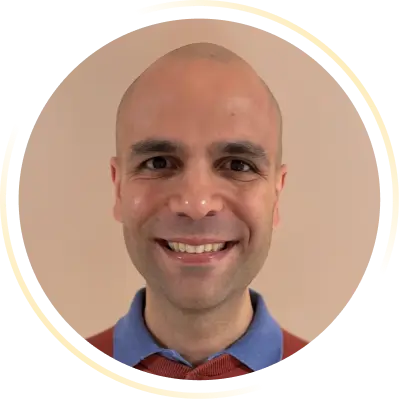
Tiago
Fernandes
Head of Co-Development
Building teams is one of the most critical responsibilities I carry. Every project, every client engagement, every delivery is done with people. Not job titles, not skill matrices, not staffing plans. People. And assembling teams is not simply filling roles. It’s forming partnerships with individuals, understanding who they are, and how they fit into the bigger picture. Making sure the environment around them is set up for their success.
When I speak with candidates, I’m not just checking for capability. I’m looking for alignment. Alignment with the project’s needs, with the client’s expectations, with the team’s culture. Even when someone isn’t the right match for a specific team, the relationship built still matters. I want every conversation to be valuable, respectful, and personal. Candidates are investing their time and trust in us, and they deserve the same.
The partnership begins with the preparation. Before an interview, I take the time to research the individual, to plan what I want to learn, and to draft a guide for the conversation. Candidates stand out when they arrive curious and ready. They’ve taken the time to learn about the job, the company, and the project. They show they’re not just applying for a job, but for this job. They bring structured stories with real examples of problems they solved, of decisions they made, of moments they influenced outcomes. Stories with context, action, and results. Stories that show me how they think, not just what they’ve done.
During the interview, I’m observing three things at once. The craft: engineering depth, artistic sensibility, design reasoning. The communication: explaining clearly, breaking down complex topics, asking thoughtful questions, demonstrating that they care. And perhaps most importantly, ownership: taking responsibility, being proactive, creating alignment, staying engaged. When a candidate talks me through how they solved a challenge, I’m listening not only to what they did, but how they reasoned, collaborated, and took responsibility.
Interviews work best when they feel like conversations instead of interrogations. When the candidate brings their experiences, their challenges, and their learnings. And especially when they bring honesty. I’m not looking for perfection. I’m looking for transparency. After the interview, follow-up matters. From both sides. Keeping each other updated, providing clarity on next steps, and informing of changes in plans. I strive to close the loop respectfully, especially when the answer isn’t a yes. Today’s “not this team” can be tomorrow’s “perfect match”.
When all aligns and it’s a match, pre-boarding and onboarding make the partnership bloom. This is when I shift toward enabling the candidate. Making sure that they know the expectations and how communication flows. That they know their peers and their managers. Good onboarding is about more than documentation. It’s about context and support. It’s about empowering the individual to join the team confidently.
Assembling teams is both an art and a discipline. But above all, it’s human. It’s creating partnerships with people. Partnerships that become the foundation on which a successful project is built. Trusting that when the right people come together with clarity and purpose, remarkable things follow.